
















Metal QR Code Tags: What to Look for When Buying Them



According to Siemens’ True Cost of Downtime 2024 report, the world’s 500 largest companies lose about 1.4 trillion dollars a year to unplanned downtime, 11% of revenue. Durable asset identification is a first line of defense against losing the equipment that drives it.
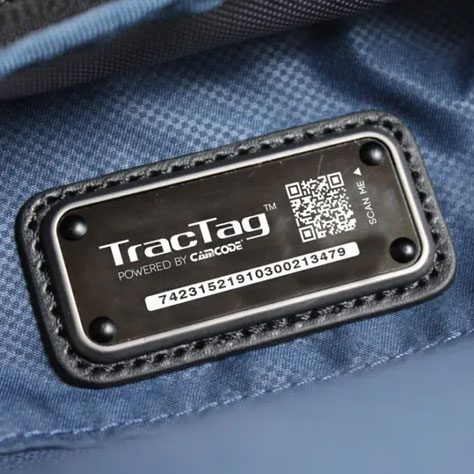
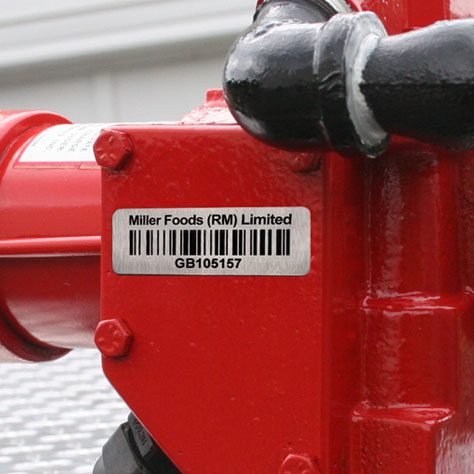
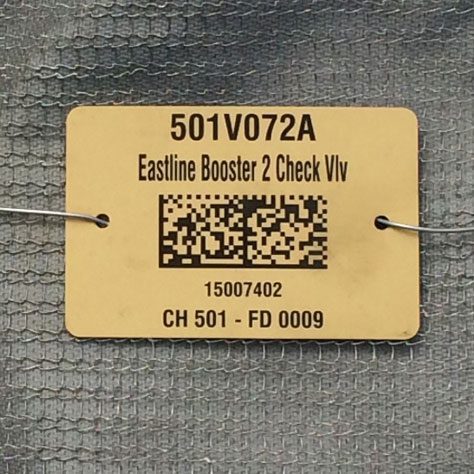
Metal QR code tags can stay scannable for more than 20 years outdoors, decades longer than the printed plastic and paper labels they replace. They are durable asset labels with a QR code marked into anodized aluminum, stainless steel or brass for permanent equipment identification.
The best metal QR code tags match the metal and the marking method to your environment, not price alone. Photo-anodized aluminum suits most indoor and outdoor asset tracking, while stainless steel handles washdowns and harsh chemicals.
With the world’s 500 largest companies losing about 1.4 trillion dollars a year to unplanned downtime, metal QR code tags that keep equipment findable earn their place.
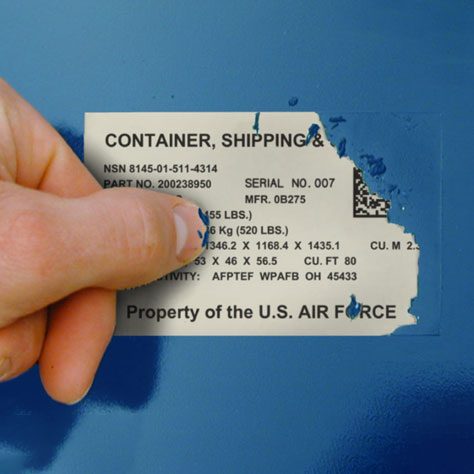
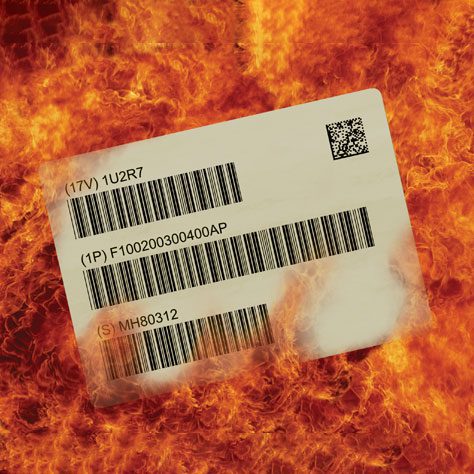
Metal QR code tags are the most durable QR code tags for harsh environments because the code is sealed into the metal rather than printed on top. Photo-anodized aluminum and stainless steel tags withstand extreme heat, heavy abrasion, UV rays, moisture and chemicals that fade or destroy paper and plastic labels.
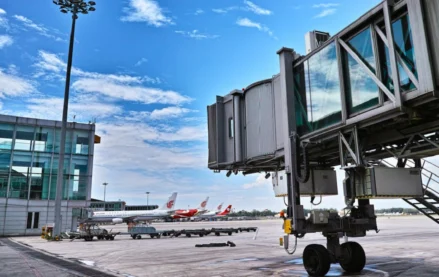
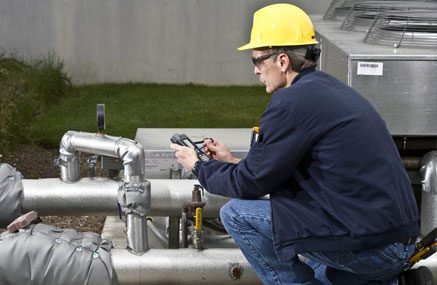
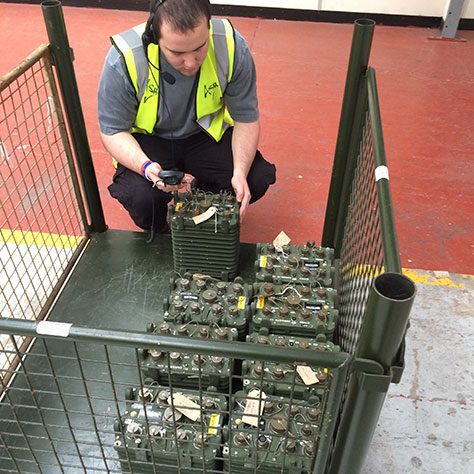
A photo-anodized aluminum tag carries a documented outdoor life of more than 20 years, which is why metal QR code tags are used for asset tracking in manufacturing, aerospace, energy and oil and gas.
Because the code is sealed into the metal, it stays scannable through heat, abrasion and chemical exposure, so tags rarely need replacing. When properly manufactured, metal tags last for decades without losing their function or appearance, which makes them cost-effective over their life despite a higher initial price than paper or plastic.
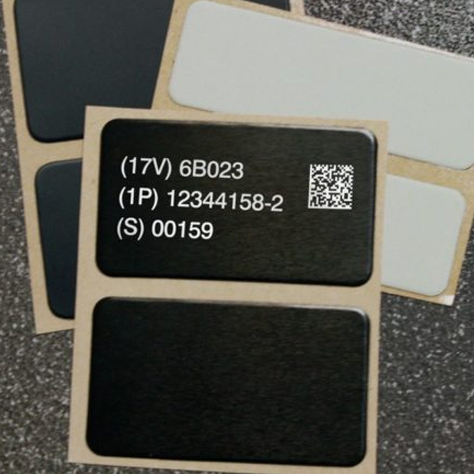
Metal tags can be built for readability. Photo-anodized aluminum has a matte finish that eliminates glare, so phone cameras and industrial scanners read it quickly, even in poor light. The contrast is part of the metal rather than a coating on top, so scans stay reliable as the tag ages.
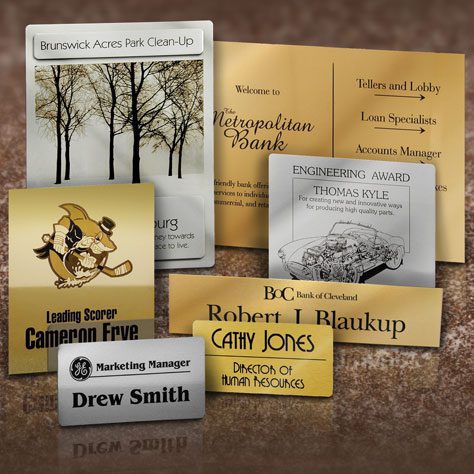
Metal QR code tags suit a wide range of sectors, including manufacturing, aerospace, energy, mining, agriculture, telecommunications, automotive and oil and gas. They can be engraved, etched or photo-anodized to add branding or extra data alongside the QR code.
Metals like stainless steel or anodized aluminum resist weather and chemical exposure for outdoor and washdown use. Metal’s mix of durability, longevity, readability and versatility makes it the best material for QR code tags in demanding industrial and commercial environments.
There is no single way to make a metal QR code tag. The right one depends on how rugged it needs to be. Almost any metal can be used, but three are most common.
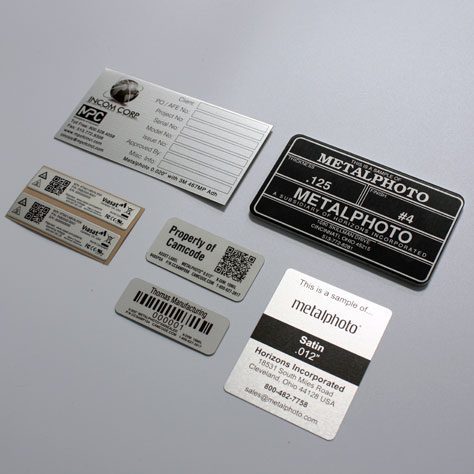
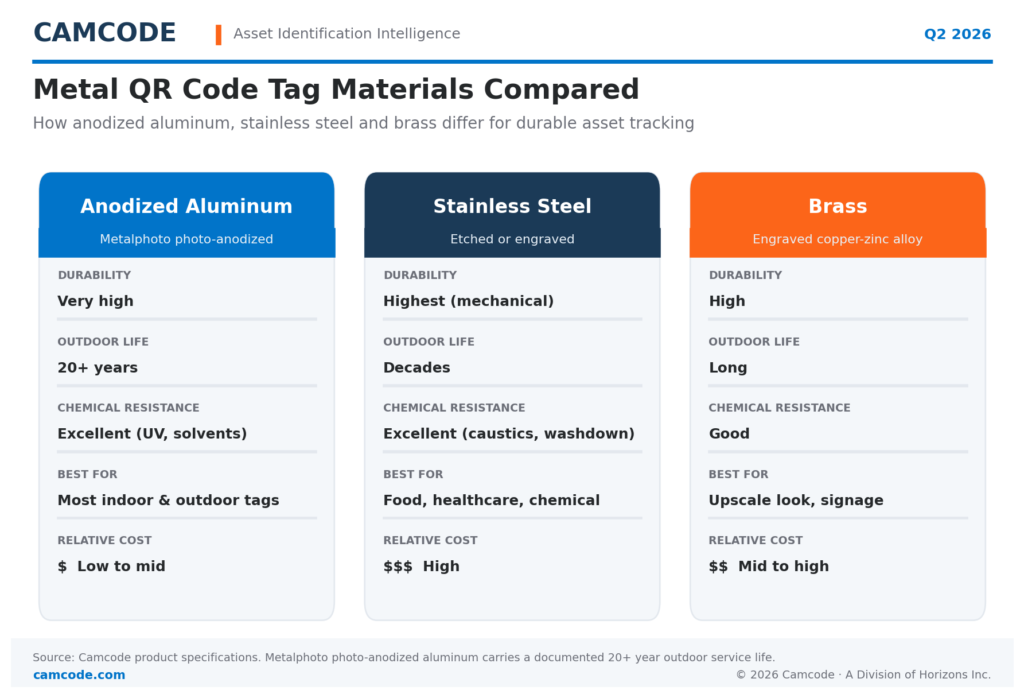
Anodized aluminum is the most common material because it is easier to work with than harder metals like steel but is far more durable than plastic or paper. Camcode’s Metalphoto photo-anodized aluminum withstands the harshest indoor and outdoor environments, with strong resistance to chemicals, solvents, UV and extreme temperatures.
For an upscale appearance, choose brass. This copper-zinc alloy gives a QR code tag a sophisticated look that no other metal matches.
If durability matters more than price, stainless steel is an option. Because it handles frequent cleaning and strong caustics, it is often used for metal QR code tags in food processing, healthcare, laboratory and chemical, textile and petroleum environments.
For asset tracking, anodized aluminum and stainless steel are the two main metal QR code tag choices. Anodized aluminum, including photo-anodized Metalphoto, is lighter, lower in cost and resists UV, solvents and high temperatures, which makes it the default for most indoor and outdoor asset tags.
Stainless steel costs more but withstands repeated washdowns, strong caustics and abrasion, so it is preferred for metal QR code tags in food processing, healthcare and chemical plants.
Aluminum wins on price and scan contrast; stainless steel wins on mechanical toughness and chemical resistance.
The material is only half the story. How the design is transferred to the tag matters just as much for durability.
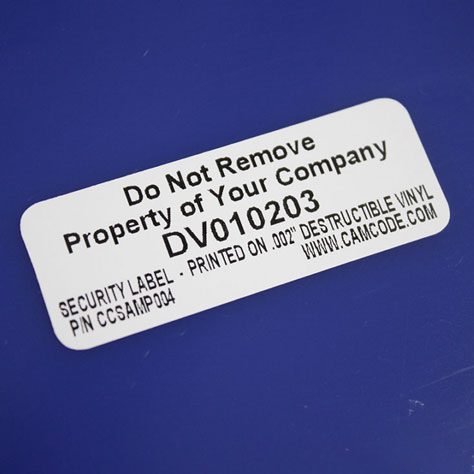
If a metal QR code tag only needs to last a use or two, screen printing can work. It also suits decorative tags. It is the method used for shirts and posters. It can look good but is not very durable.
Embossing presses a permanent imprint into the material, which works for simple images but not for QR codes. The sharp edges in a QR code need a more detailed method.
Engraving removes material with a laser or cutting tool rather than pressing into it. The lines can be very sharp and the image lasts, but it is a slow process best suited to one-off durable tags.
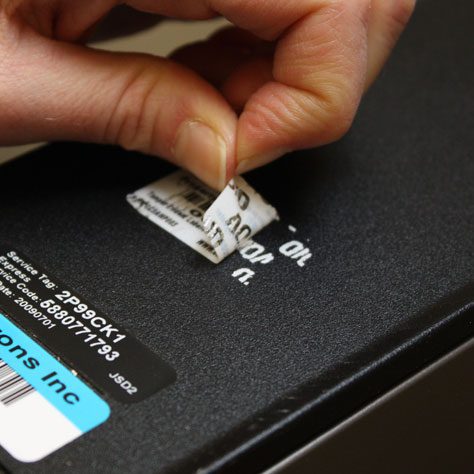
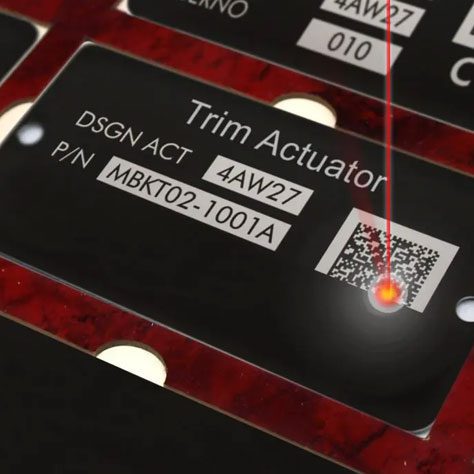
Photo-anodization places the design beneath a layer of anodized aluminum, balancing durability with production speed. Because the design sits under a sapphire-hard anodic layer, it will not fade, scuff or wear easily.
Done properly, it can last for more than 20 years outdoors, the documented service life of photo-anodized aluminum.
When buying metal QR code tags, weigh five things in order:
Environment decides the metal: anodized aluminum for most uses, stainless steel for washdown and caustics, brass for appearance. Longevity and volume decide the marking method: photo-anodization for durable high-volume runs, laser engraving for one-off durable tags, screen printing only for short-term use.
Metal QR code tags work as asset tags for asset tracking, inventory tracking, marketing and signage. Use the selector below to match these factors to a recommended tag.
●CAMCODE
Answer four questions to get a recommended metal and marking method.
Then follow these nine steps.
Metal QR code tags give businesses a durable, scannable record that survives the environments where paper and plastic fail. Their durability and 20+ year service life make them a low-cost-per-year choice across manufacturing, aerospace and food processing.
Choose the metal and marking method for your environment and test samples before a large order. The tags will keep your assets identified for decades.
Yes, QR codes work on metal. The code is not printed on top of the metal but marked into it using photo-anodizing, laser engraving or etching, so the pattern becomes part of the tag surface.
Photo-anodized aluminum seals the QR code beneath a sapphire-hard anodic layer, giving a matte, glare-free finish that phone cameras and industrial scanners read reliably.
A well-made metal QR code tag outlasts the equipment it identifies. Photo-anodized aluminum tags carry a documented outdoor life of more than 20 years because the image sits under the anodic layer rather than on top of it.
A QR code as a symbol never expires: as long as the pattern stays high-contrast and undamaged, any current scanner reads it.
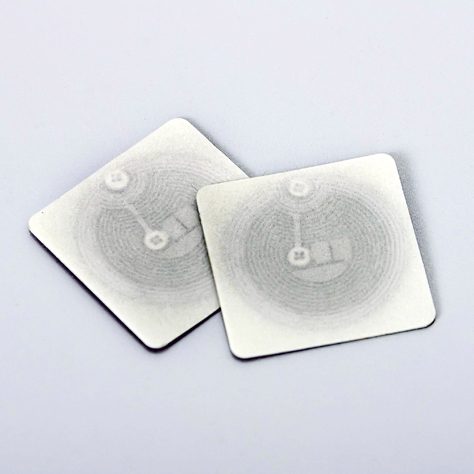
Standard RFID tags do not work well mounted directly on metal, because metal detunes the antenna and reflects the radio signal. On-metal RFID tags fix this with a spacer or ferrite layer, but they add cost and bulk.
A metal QR code tag avoids the problem entirely: an optical 2D barcode does not rely on radio frequency, so it scans the same on steel, aluminum or any conductive surface.
The cost of a metal QR code tag is driven by four factors: the metal, the marking method, the order quantity and the tag size. Anodized aluminum is the lowest-cost durable option, while stainless steel and brass cost more. Photo-anodization is efficient at volume, whereas one-off laser engraving costs more per tag.
Request samples and a quote for an exact price on your specification.
Our sales engineers are experts in automatic asset tracking, tagging and identification,a nd can answer all your questions. Get in touch now.
Lets Talk ›Enter your information and get a free checklist of the top questions to answer to plan a successful asset tagging project for any maintenance tracking or facility management system.